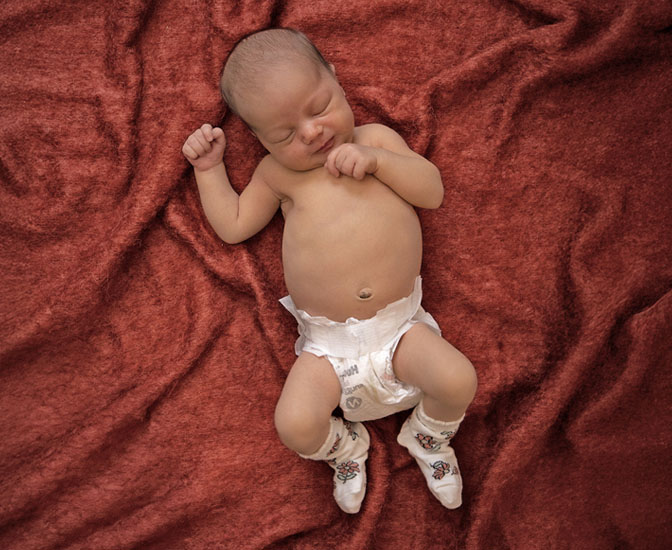
Here’s what it might be trying to tell us:
 Brown poo normal if you’re formula-fed.
 Yellow poo normal if you’re breast-fed.
 Green poo totally normal.
 Black poo normal if you’re a newborn. Not so much if you aren’t.
 Grey poo could be a liver ordigestive issue.
 Red poo could be blood.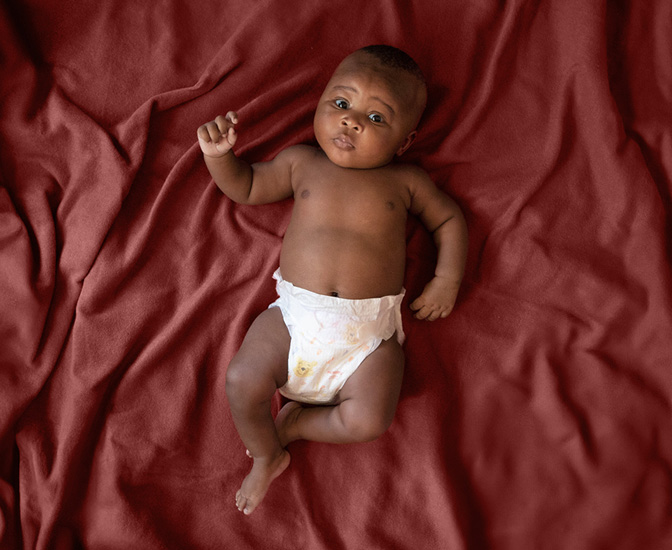
Here’s what it might be trying to tell us:
 Yellow pee means you’re optimally hydrated.
 Orange pee means you’re mildly dehydrated.
 Brown pee means you’re super dehydrated.
 Red pee could be blood.
 Green pee could be a urinary tract infection.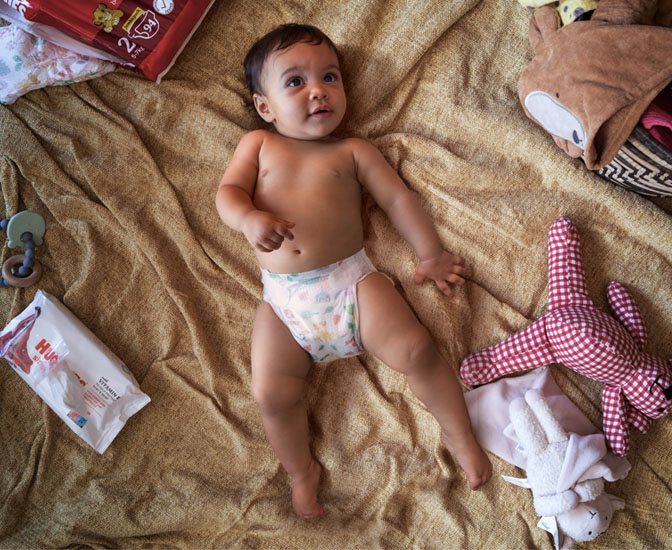
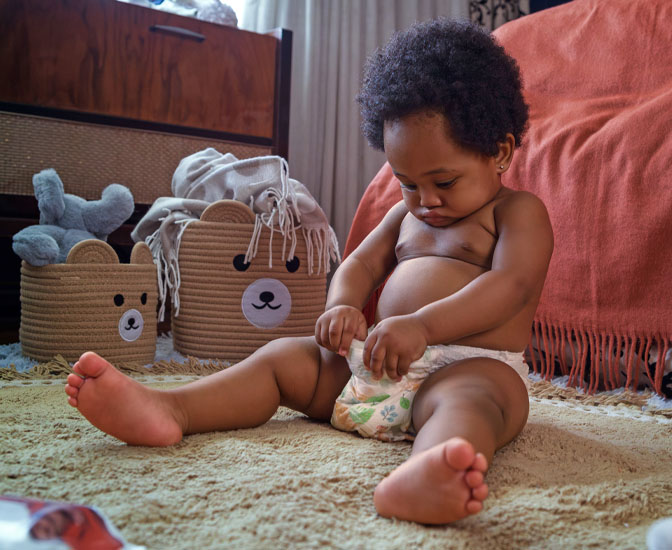
We know green poop looks a little... surprising. But don’t worry, sometimes it just means things are moving through your body a bit too fast. When that happens, your poop doesn’t have time to pick up its usual colour, and it comes out green instead. But if your poop stays green for a while, and looks a little frothy, that could be your body’s way of saying, “Hey, something’s not quite right in here.”
One reason might be something called imbalanced feeding, especially if you’re breastfed. That’s when you’re getting more of the light, watery milk (foremilk) and not enough of the rich, creamy milk that comes after (hindmilk). Foremilk is great for hydration, but hindmilk has all the good fats your body needs to grow and feel full. Too much foremilk and not enough hindmilk? That can upset your tummy and turn your poop green.
If your parents think this might be the case, a lactation consultant or doctor can help. Sometimes it’s just about letting you feed longer on one side before switching to the other, so you get the full mix of what your body needs.

Sometimes your pee can let us know that something’s not quite right. One of those things? A urinary tract infection (or UTI). That’s when germs sneak into your tiny bladder or urinary tract and start causing trouble.
You might not be able to tell your grown-ups what’s wrong just yet, but your body still sends clues. Maybe your pee smells a bit funny, or you cry when you wee. You might even get a fever, not want to feed, or just seem extra fussy and tired. And guess what? Your pee might look a little different too, like cloudy or green.